About Me

I didn’t take the conventional route into product.That became one of my advantages.

I started closer to the market than to the roadmap — learning how people perceive value, what makes them pay attention, and why a strong product can still struggle if it doesn’t make sense in the real world.

From there, I moved progressively closer to the decisions behind the experience: customer journeys, digital products, platforms, transformation, teams and eventually portfolio-level choices.

That path is why I rarely see a product problem as just a product problem. There is usually a customer behaviour, business constraint, technical dependency, operating reality or human dynamic somewhere underneath it.

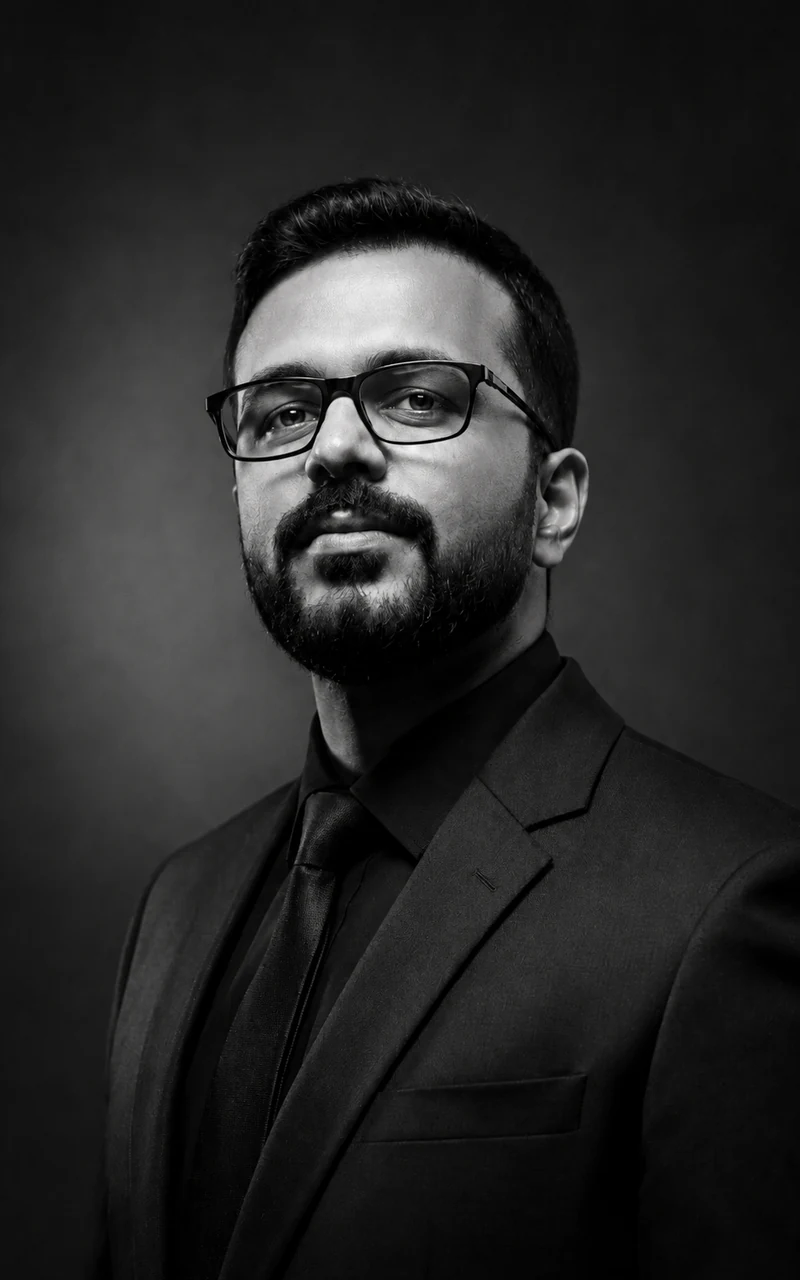
Rohit Malieckal

Senior Product Manager · Digital Platforms & Transformation · Toronto, Canada

Rohit Malieckal in a black-and-white editorial portrait.

My Path

Every chapter taught me to notice something different.

The useful part of an unconventional career isn’t the variety itself. It’s the perspective that compounds across it.

01

The market

I learned to see the product before I worked in Product.

My early career in marketing, commercialization and automotive put me close to customers, launches, positioning and the realities of earning attention. It taught me that even a strong product still has to make sense in a real market.

02

Behaviour

Then I moved closer to the customer journey.

At Tangerine, digital experience sat at the intersection of customer confidence, commercial goals, regulation, technology and operations. I learned to pay attention not only to what an organization intended, but to what customers actually did.

03

Product

Evidence became an input to decisions.

As I moved deeper into Product — including experimentation and activation work at Google — customer behaviour, research and performance signals became ways to test assumptions, sharpen priorities and improve experiences.

04

The system

The problems became bigger than the screen.

At Jack.org, modernization meant platforms, analytics, partners, governance, teams, legacy technology and organizational priorities moving together. The visible product problem was often only one part of the system.

05

Leadership

Eventually, the work became less about having the answer.

As my scope grew, leadership became more about framing, sequencing, trade-offs, context and creating the conditions for other people to make strong decisions — especially when the path was not obvious.

What the Work Taught Me

A few things I believe more strongly now than I did ten years ago.

Clarity is a leadership responsibility.

People working through uncertainty do not need manufactured confidence. They need context, priorities, honest boundaries and permission to surface what is still unresolved.

The visible problem is rarely the whole problem.

A conversion issue can be a trust problem. A UX issue can be an operating-model problem. A delivery issue can be a decision-rights problem.

Context scales better than control.

Clear outcomes, useful guardrails, trust and decision rights create stronger teams than staying close to every detail.

How I Show Up

I’m often the sounding board when the path forward isn’t clear.

An ambiguous brief. Competing priorities. A stalled initiative. A difficult stakeholder conversation. A decision with too many inputs and no obvious owner.

I’ve often become the person people use as a sounding board in those moments. Not because I arrive with a ready-made answer. Usually, I’m trying to help uncover the better question.

I listen before prescribing. I try to understand what each person in the room is protecting or optimizing for. I challenge assumptions that have quietly become facts. And I look for the smallest decision that can create meaningful momentum.

I care about leaving people with more ownership, not less.

Some of the professional moments I value most have been watching people I worked with grow in confidence, take on broader responsibility and make decisions they once would have looked to me to make.

What Pulls Me In

Some problems make hours disappear.

The common thread is usually complexity — when the visible symptom is only one part of a larger question.

01

Complex systems

Fragmented platforms, legacy constraints, process friction and dependencies that span teams or systems.

I’m usually looking for the underlying constraint creating several visible symptoms at once.

02

Human behaviour

The funnel can tell us where something breaks. It rarely tells us why.

I want to understand what the customer expected, what made them hesitate, what they misunderstood, or what the product quietly asked them to tolerate.

03

Zero-to-one clarity

A promising idea exists, but its audience, value or boundaries are still fuzzy.

I enjoy finding the smallest coherent definition that aligns customer value, business value and feasibility well enough to learn.

Outside the Roadmap

Curiosity doesn’t switch off when the workday does.

Rohit Malieckal seated beside a camera and tripod.
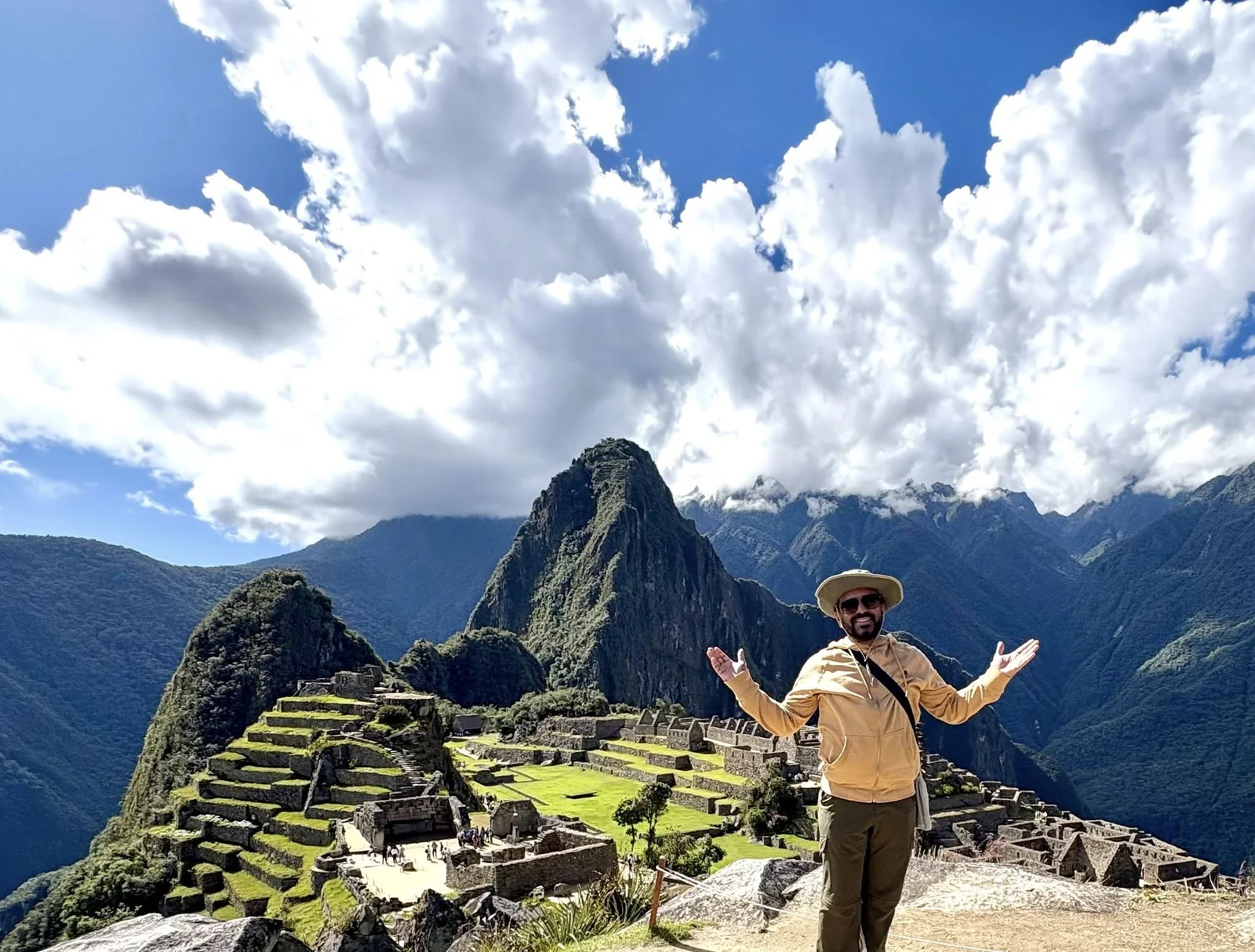
Rohit Malieckal at Machu Picchu in Peru.
Machu Picchu, Peru · 2025

Photography and visual storytelling have been part of my life for years — from street and travel photography to videography, cinema, theater and music. I’m also fascinated by automotive innovation and consumer technology, especially where design, engineering and everyday behaviour intersect.

I like staying active too. Tennis, badminton and cricket are the sports I play regularly, while soccer, basketball and baseball are part of what I follow and enjoy.

Travel, creativity, sport and technology all feed the same thing for me: curiosity.

They keep me engaged with people, places and perspectives beyond work.

Personal interests: Photography, Videography, Cinema, Music, Theater, Global Travel, Tennis, Badminton, Cricket, Soccer, Basketball, Baseball, Automotive Innovation and Consumer Tech.

What I’m Exploring Now

Still building. Still learning.

RM Digital & Platform Advisory

Principal, Product & Digital Transformation

My current independent practice focuses on product strategy, digital platforms, transformation, operating-model questions and emerging product opportunities.

Personal AI Product

Rohit’s AI Navigator

A self-initiated live product exploring whether AI can support a better-informed hiring conversation without pretending the model should make the decision.

Can AI help someone make a better-informed decision without pretending the model should make the decision for them?
Explore Rohit’s AI Navigator →

Alongside my advisory work, I’m continuing to build my AI product practice through self-initiated experimentation, evaluation and learning.

See AI Practice →

Where I Create Leverage

I do my best work where the path isn’t obvious yet.

Complex product decisions, platform change, customer friction, organizational ambiguity and emerging technology are where my range becomes most useful — helping teams frame the right problem, make better choices and turn uncertainty into forward momentum.

Tell me what your team is trying to solve.